Professional Portfolio
Section outline
-
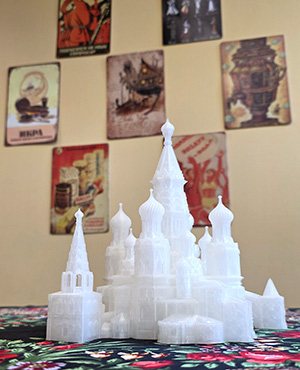
I build my classroom around relationships, because students learn best when they feel known and supported. From there, I focus on giving them ways to actually experience what they are learning, not just hear about it.
In my language classes, that means treating language and culture as inseparable. This is especially true in Russian, where students usually begin with very little cultural background. I use regular bellringers—short readings and prompts on culture, history, and daily life—to give students a broad foundation. Then we go deeper in selected areas through hands-on activities. One example is Maslenitsa, a traditional Russian festival marking the end of winter. During that unit, students take part in games, make blini, watch and discuss videos, and create decorations. I also build in high-frequency expressions so students can communicate more naturally and feel successful early, even in a language with a steep initial learning curve.
In Russian, there is no true high school textbook, so I built one. I started by adapting material from a college-level text and supplemented it with my own original materials. Students keep these materials, including appendices and glossaries, in a binder that serves as their textbook. It gives them a clear reference point and ties the course together.
-

-
With no true high school Russian textbook available, I developed a comprehensive student binder for Russian I and II. I adapted material from a college-level text for high school use and incorporated my own original materials.
-
These daily bellringers use short readings on various topics to introduce students to daily life, traditions, history, and Russian contributions to the world.
-
This activity builds color vocabulary by focusing on meaning rather than the English word. Students often replay it to improve their score, strengthening rapid recall. I programmed it in Scratch.
-
-

-
Students create hands-on projects inspired by Russian culture, including traditional art forms and folklore.
-
Students interpret and respond to content, both individually and collectively
-
-

-
Students participate in both domestic and international travel experiences, connecting classroom learning to real-world contexts while developing independence and responsibility.
-
Field trips and cultural events extend classroom learning through lived experiences in language, culture, and the arts.
-
Language and culture are woven into everyday instruction through hands-on experiences.
-
-

-
The classroom is organized to support clear communication, structured routines, and consistent student engagement.
-